When people think of England, places like London or Oxford usually come to mind. However, the real charm of the country lies in its villages. These are the places that feel timeless, with cobbled streets, stone cottages, and old pubs that look like they haven’t changed in years.
Travelling through the countryside often feels like stepping into a postcard, with gardens, narrow lanes, and cozy homes around every corner. Instead of sticking only to the big, well-known destinations, it’s worth slowing down and exploring some of England’s smaller towns and villages.
If you’re looking for the most beautiful villages in England, you’re in the right place. Below, I’ve shared the 10 Most Beautiful Villages in England to Visit
Disclaimer: This post may contain affiliate links. We may earn a commission if you purchase through these links, at no extra cost to you.
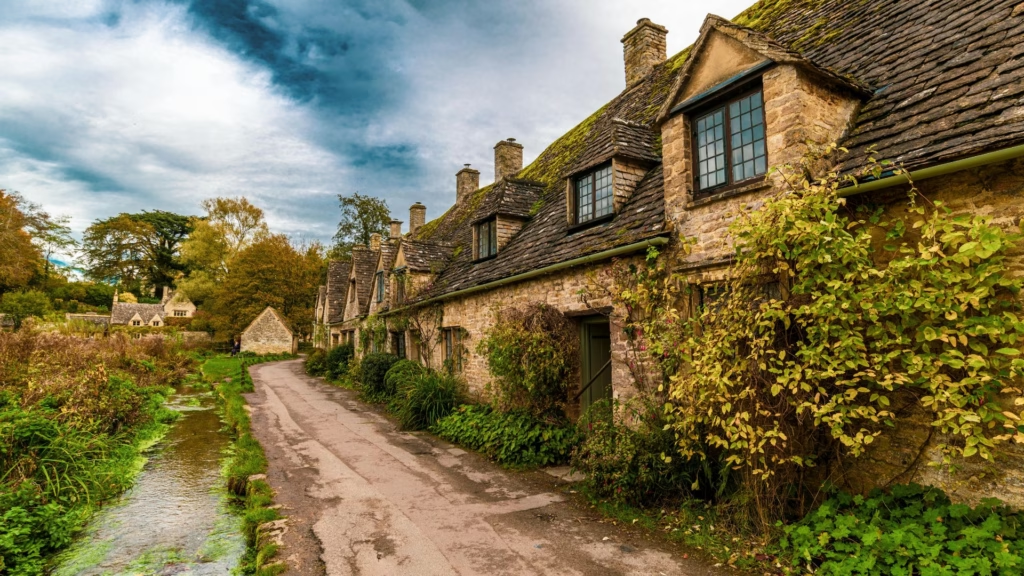
First on the list is the village of Bibury, and it’s easy to see why it’s so popular. It’s often called one of the prettiest villages in England, a title once given by William Morris.
Bibury sits in the heart of the Cotswolds and is best known for its honey colored stone cottages, especially along Arlington Row, which is one of the most photographed spots in the country.
When you’re here, take a slow walk along the River Coln, spend some time around Arlington Row, and check out the nearby trout farm if you’re curious.
The best time to visit is early in the morning or later in the evening. That’s when the crowds are smaller, and the village feels calm and quiet.
How to Reach Bibury
By Car
From London: approximately 2–2.5 hours via the M4 or M40.
From Oxford: around 1 hour.
By car is one of the most convenient options to reach Bibury.
By Bus
Local buses run between Bibury and Cirencester, so it’s possible to visit without a car. Just keep in mind that services are limited, so it’s worth checking the schedule in advance.
Where to Stay in Bibury
The Swan Hotel, Bibury, is a good choice if you want to stay right in the village. It’s a traditional riverside hotel with comfortable rooms, an on-site restaurant, and a location that puts you within easy walking distance of everything.
2. Lavenham, Suffolk
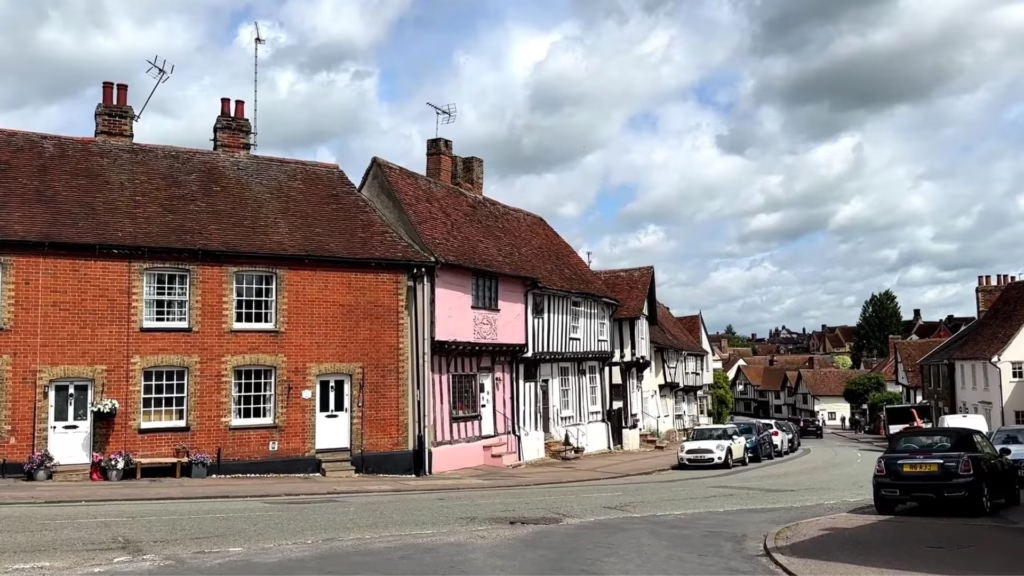
Lavenham, Suffolk Photo by Wander&Nest
Lavenham is a well-preserved medieval village in Suffolk, known for its timber-framed houses, crooked buildings, and old market square, which offers beautiful views. Back in the 15th century, it was a major wool town, which made it one of the wealthiest places in England at the time.
These days, people come to wander the narrow streets, browse small independent shops, stop at cozy tea rooms, and enjoy the village’s storybook feel.
How to Reach Lavenham
By Car
From London, the drive time is around 2–2.5 hours. From Cambridge, it’s about 1 hour and 30 minutes. There’s public parking available close to the village center, which makes visiting pretty straightforward.
By Train
The nearest train station is Sudbury, around 7 miles from Lavenham. Trains run from London Liverpool Street to Sudbury, usually with a change at Marks Tey. From Sudbury, you can take a taxi or a local bus to reach the village.
Where to Stay in Lavenham
The Swan at Lavenham Hotel & Spa is a historic luxury hotel right in the center of the village. It offers elegant rooms, a spa, and a good on-site restaurant, making it a great option if you want to stay somewhere special while being close to everything.
3. Castle Combe – Cotswolds
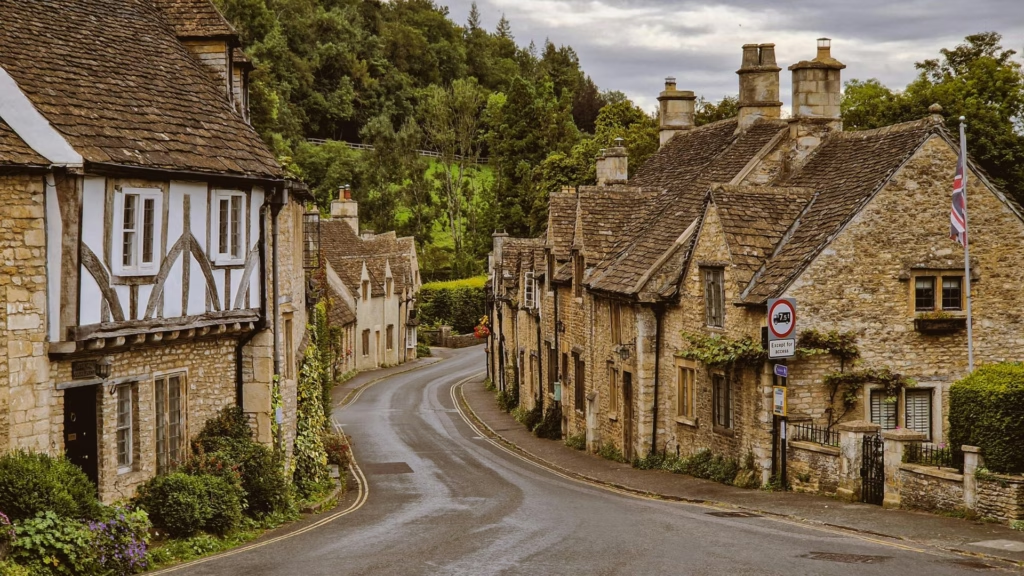
Castle Combe is a small village in Wiltshire, located on the southern edge of the Cotswolds. It’s often called one of the most beautiful villages in England, and once you see it, that makes sense.
The village is filled with honey coloured cottages, a medieval market cross, and a small stream flowing through the centre.
Because it’s so well known, Castle Combe can get busy, especially after mid-morning. If you want to see it at its best, try to arrive early or visit outside the peak season when it feels much calmer and more peaceful.
If you enjoy walking, this is a great place to spend more time. Several country walks start right from the village, ranging from short loops to longer day hikes through the surrounding hills. You can pack a picnic or plan to stop at one of the local pubs along the way for lunch.
How to Reach Castle Combe
By Car
From London: approximately 2–2.5 hours via the M4 (exit at Junction 17).
From Bath: about 40 minutes.
By Train
The nearest major train station is Chippenham, around 5 miles away. Trains from London Paddington take about 1 hour and 15 minutes. From Chippenham, a taxi is the most convenient option.
Where to Stay in Castle Combe
The Manor House Hotel & Golf Club is a luxury five-star hotel set right in the village. It has elegant rooms, its own golf course, and fine dining, so it’s a good option if you’re looking for a more high-end place to stay.
💡 Pro-Tip: Many Cotswolds villages, like Bibury and Castle Combe, are difficult to reach in one day using public transport. If you prefer not to drive narrow country roads, consider booking the Cotswolds Villages Full Day Tour from London or Oxford. It covers popular spots like Bibury, Burford, and Bourton on the Water while your driver handles navigation and limited parking in these small villages.
4. Clovelly, Devon
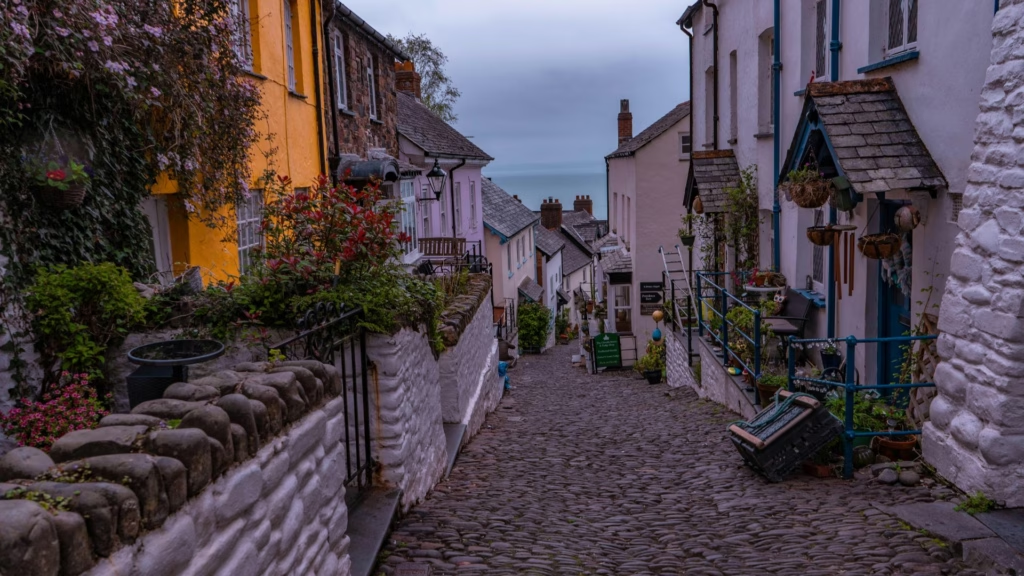
Clovelly is a small, car-free fishing village on the north coast of Devon, set on a steep hillside overlooking the Bristol Channel. It’s privately owned and carefully preserved, so it hasn’t changed much over the years.
The village is built straight into the hillside. As you walk down from the whitewashed cottages toward the harbour, the sea slowly opens up in front of you.
The cobbled streets wind their way down the cliff, and it’s a bit of a workout, but the views make it worth it. At the bottom, past the flower-filled cottages, you’ll reach the small 14th-century harbour, which is still in use today and feels like the heart of the village.
How to Reach Clovelly
By Car
Clovelly is easiest to reach by car. From Exeter, the drive takes around 1 hour and 30 minutes. From Bristol, it’s about 2.5 hours.
You’ll need to park at the Clovelly Visitor Centre and walk down into the village, as cars aren’t allowed inside.
By Train
The nearest main train station is Barnstaple, about 15 miles away. From there, you can continue by taxi or a local bus to reach Clovelly.
Where to Stay in Clovelly
The Red Lion Hotel sits right by the harbour and is a classic place to stay in Clovelly. It offers sea view rooms and has a restaurant that serves local seafood, which is perfect if you want to stay right in the heart of the village.
5. Rye, East Sussex
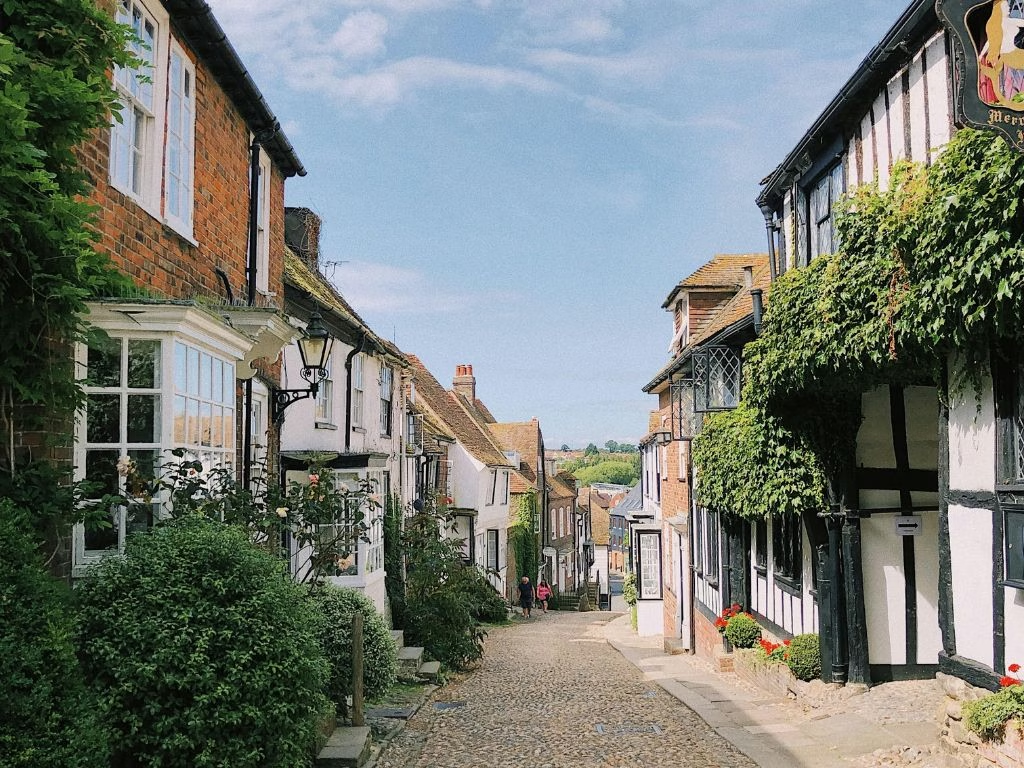
Rye in East Sussex is a small, picture-perfect town with steep cobbled streets, a small castle, and a mix of medieval buildings and old inns. It’s only about two miles from the coast and surrounded by the Sussex countryside, which makes it a great spot for a weekend break.
Rye is especially known for Mermaid Street. It’s often called one of the prettiest streets in Britain, and once you see it, it’s easy to understand why. If you want good photos, try to get there early, as it can get very busy later in the day with visitors.
How to Reach Rye
By train
Rye is easily accessible by train from London. You can take a direct train to Ashford International, which takes about 38 minutes, then change for a short ride to Rye of around 20 minutes. Because of this simple connection, Rye is one of the best villages to visit as a day trip from London.
By car
From London, the drive takes about 2 hours. There are public car parks on the edge of town, which is helpful since many of the streets in the centre are narrow and better suited for walking.
Where to Stay in Rye
The Mermaid Inn is one of the oldest inns in England, situated directly on Mermaid Street. It is a great place to stay if you want to be right in the heart of Rye.
6. Hawkshead, Cumbria
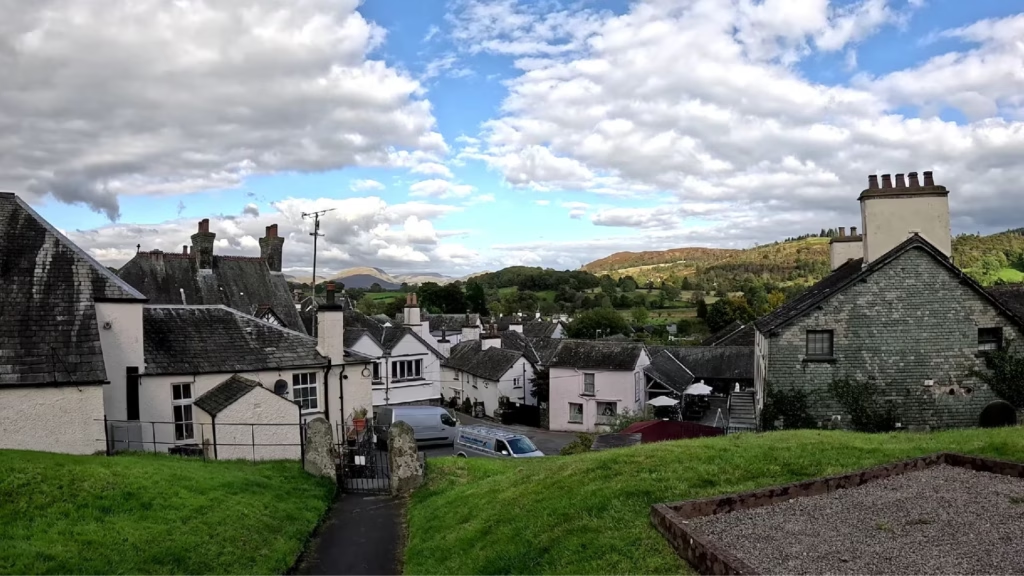
Hawkshead, Cumbria photo by inbetween days
Hawkshead is a beautiful, well-preserved village in England’s Lake District, with strong ties to both William Wordsworth and Beatrix Potter. It’s the kind of place that looks straight out of a postcard. Here you can find whitewashed cottages, cobbled streets, and old pubs that give it a classic countryside feel.
While you’re in Hawkshead, there’s plenty to look around. You can step inside the old grammar school where William Wordsworth once studied, spend some time at the Beatrix Potter Gallery, or head out to nearby spots like Wray Castle and the 17th-century Courthouse if you feel like exploring a bit more.
How to Reach Hawkshead
By car
From Manchester, the drive time is around 2 hours. From London, it’s roughly 5–6 hours. Parking is available on the outskirts of the village.
By train and ferry or bus
Take a train to Windermere or Oxenholme, then continue by bus. If you’re visiting in season, the Windermere to Hawkshead ferry is a really scenic way to arrive and adds to the experience.
Where to Stay in Hawkshead
The Hive at Poppi Red is a unique countryside place to stay near Hawkshead. It offers peaceful surroundings and scenic views, making it a nice option if you want something a little different and quiet.
7. Shaftesbury, Dorset
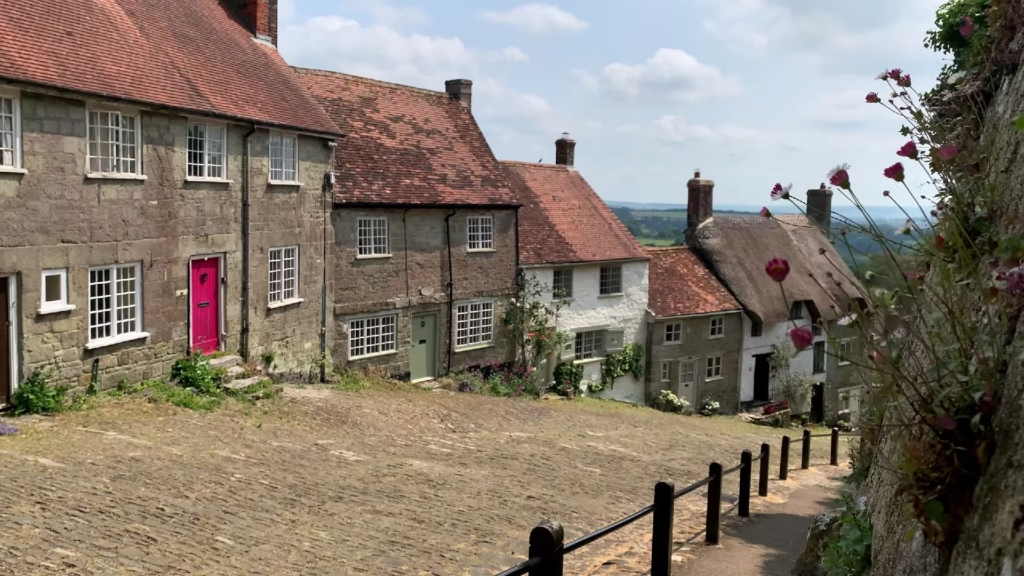
Shaftesbury, Dorset photo by Cinematic Travels
Shaftesbury is a lovely village set in the hills of North Dorset, with wide views over the surrounding countryside. You’ll find rolling hills, old buildings, and plenty of classic English village charm wherever you walk.
The village is best known for Gold Hill, a steep cobbled street that many people recognize from the famous Hovis bread advert. Standing at the top gives you beautiful views over the countryside below, and it’s one of the best spots for photos. It’s often described as one of the most romantic sights in England, and it’s easy to see why once you’re there.
How to Reach Shaftesbury
By car
From London, the drive takes about 2.5–3 hours. From Bath, it’s around 1 hour and 30 minutes. There’s parking available near the town centre.
By train
The closest train station is Gillingham in Dorset, about 4 miles away. From there, it’s an easy taxi ride or a short bus trip to Shaftesbury.
Where to Stay in Shaftesbury
The Grosvenor Arms is a stylish historic inn right in the centre of town. It offers comfortable rooms and is a great option if you want to stay close to everything
8. Robin Hood’s Bay, North Yorkshire
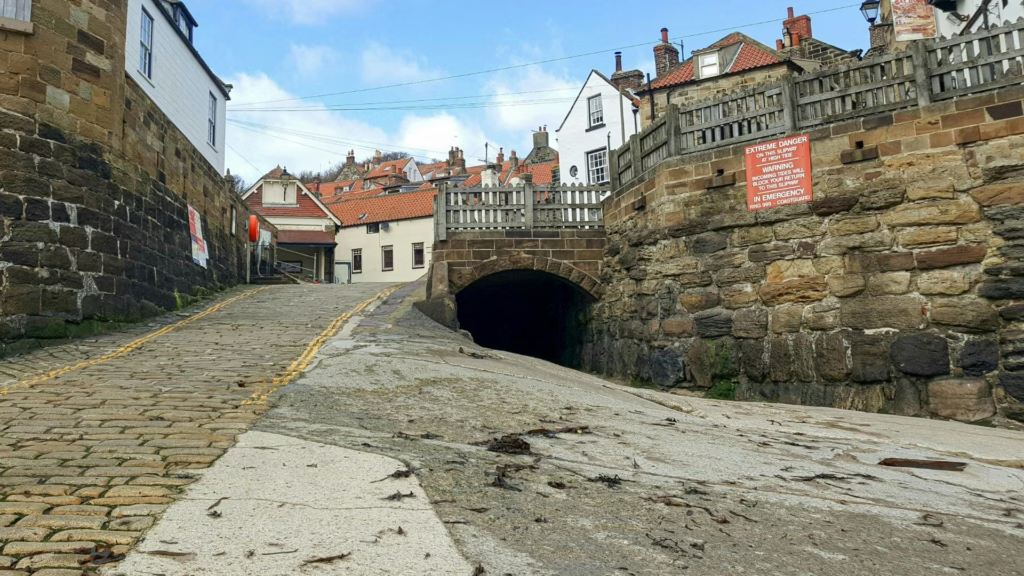
Robin Hood’s Bay is a small fishing town that really feels more like a village. It sits about five miles south of Whitby on the North Yorkshire coast. It may be small, but there’s something special about it that’s hard to explain until you’re there.
The village is a maze of narrow cobbled streets that lead down to a tiny, historic harbour. As you walk around, you get little glimpses of its past, especially its days as a smuggler’s hideout. If you enjoy pretty coastal villages with character and history, Robin Hood’s Bay is an easy place to fall in love with.
How to Reach Robin Hood’s Bay
By car
From York, the drive takes around 1.5 hours. From Leeds, it’s about 2 hours. Parking is at the top of the village, and you’ll need to walk down a steep hill to reach the harbour.
By train and bus
Take a train to Whitby or Scarborough, then continue by local bus or taxi. From Whitby, the ride takes about 10–15 minutes.
Where to Stay in Robin Hood’s Bay
The Victoria Hotel sits right on the clifftop and has great sea views. It offers comfortable rooms and easy access down into the village, making it a good place to stay if you want views and convenience.
9. Lacock, Wiltshire
Lacock, Wiltshire photo by Cinematic Travels
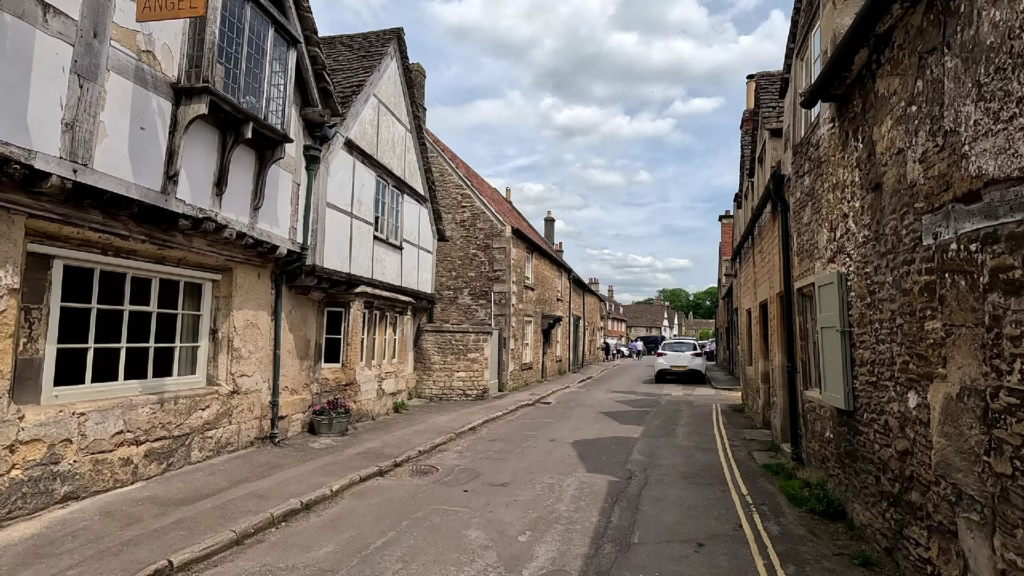
Lacock is a small village in Wiltshire, about 13 miles east of Bath, right in the heart of the county. It’s often called one of the oldest and most beautiful villages in England because it has kept its medieval look and hasn’t changed much over the years.
The village is full of cosy pubs and tea houses, and Lacock Abbey is the main highlight. It’s a National Trust property, and you can easily spend most of your time here wandering through the old rooms and peaceful gardens. If you want to see Lacock at its quiet best, early mornings or weekdays are the perfect time to visit.
How to Reach Lacock
By car
From Bath, it’s around a 30-minute drive. From London, expect about 2.5 hours. There’s public parking on the edge of the village, since the center is best explored on foot.
By train
The closest train station is Chippenham, about 4 miles away. From there, it’s an easy taxi ride or a short local bus trip to Lacock.
Where to Stay in Lacock
The Sign of the Angel is a 15th-century inn right in the village centre. It offers rooms full of character and traditional food, making it a great place to stay if you want something historic and cozy.
10. Whitby, North Yorkshire
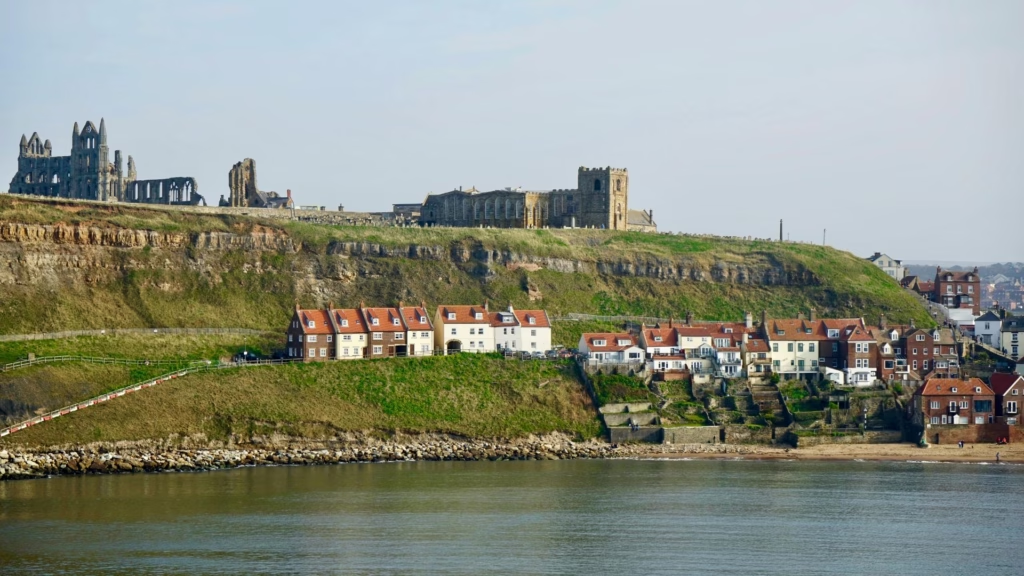
Whitby is a coastal town in North Yorkshire with a long history and a proper seaside feel. The old harbour, open sea views, and fishing roots are all still very much part of everyday life here, and it never feels forced.
Around the harbour, you’ll spot colourful houses, small shops selling crafts and antiques, and lots of little places where you can stop, wander, and take it all in at your own pace
Late spring through early autumn is a great time to visit, especially for coastal walks and mild seaside weather. Early mornings are best if you want to explore the old town before it starts to get busy.
How to Reach Whitby
By train
Whitby can be reached by train through Middlesbrough or Scarborough, with some really scenic stretches through North Yorkshire. From York, the journey takes around 2.5 hours. From London, it’s roughly 4.5–5 hours with a few connections along the way.
By car
From York, the drive is about 1.5 hours. From Leeds, it takes around 2 hours. There are several public car parks near the harbour and the town centre, which makes getting around pretty easy once you arrive.
Where to Stay in Whitby
Saltmoore is a stylish hotel with modern rooms and a calm setting close to the coast. It’s a nice choice if you want something comfortable and quiet, while still being close to Whitby and the sea.
What to Plan and Book for Your England Villages Trip
Flights — Trip.com helps you compare and book flights into London, the main international gateway for reaching most English villages on this list.
Car rental — DiscoverCars makes it easy to pick up a vehicle in London, Oxford, or regional airports so you can reach smaller countryside villages where public transport is limited.
Trains and buses — Omio lets you compare routes, check schedules, and book rail or coach tickets between London, York, Bath, Windermere, and other nearby stations for easy access to villages like Rye, Whitby, and Hawkshead.
Hotels — Booking.com helps you reserve village inns, countryside hotels, and nearby town stays with strong availability and verified guest reviews.
Connectivity — Saily eSIM keeps maps, timetables, and navigation working while moving through rural areas with a weaker signal.
Travel insurance — SafetyWing provides medical and trip coverage for multi-stop travel and unexpected delays during your UK itinerary.
Conclusion:
The English countryside has some really beautiful views that can surprise you. Once you get away from busy places like London, you start finding some of the prettiest villages in England. Quiet streets, old cottages, and peaceful views give each place its own simple charm.
In this guide 10 Most Beautiful Villages in England to Visit, I hope you’ve picked up a few ideas and found some inspiration for your own trip. These villages are perfect for slowing down and seeing a different side of England. Hope this helps you plan your next adventure, and happy exploring.
After exploring the 10 Most Beautiful Villages in England to Visit. Why not plan your next trip in nature? You can check out our latest guide, The Ultimate 7-Day Switzerland Itinerary, for more travel inspiration.