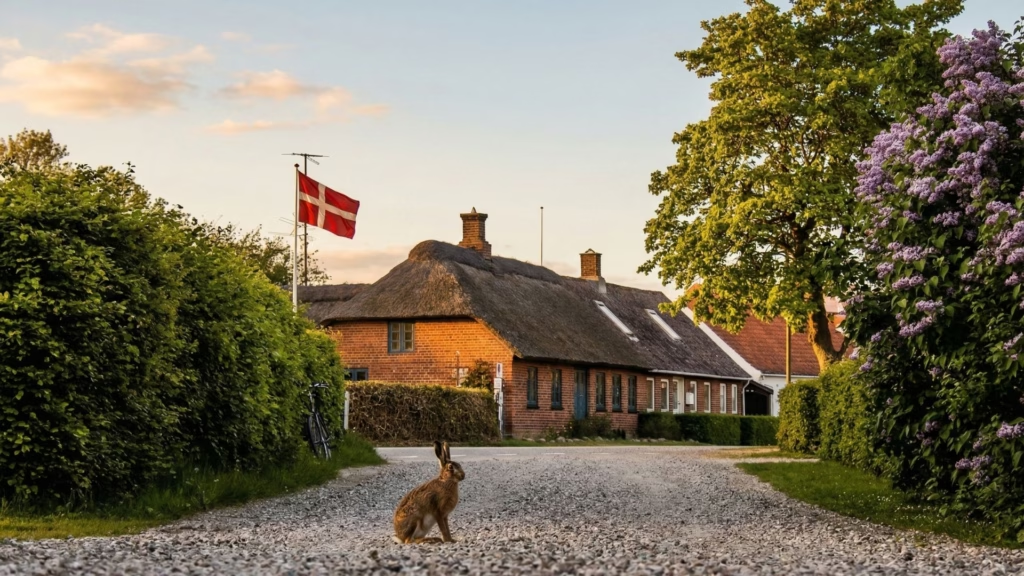
When most people think about Denmark, they usually picture Copenhagen with its fairy-tale charm and clean, modern design, or Aarhus and its deep Viking history. But Denmark’s real character lies in its countryside, which shows up once you move beyond the cities.
Out in the countryside, things feel calm and steady. Open landscapes, small old towns, quiet islands, and days that naturally move a bit slower. It’s perfect if you’re craving fresh air, slower days, and a more local side of Denmark.
If you’re searching for Denmark countryside best places to visit in 2026, you’re in the right place. Below, I’ve shared some of the best countryside spots in Denmark that are truly worth exploring.
Disclaimer: This post may contain affiliate links. We may earn a commission if you purchase through these links, at no extra cost to you.
Denmark countryside places to visit
1. Christiansfeld: a historic Moravian town in southern Denmark

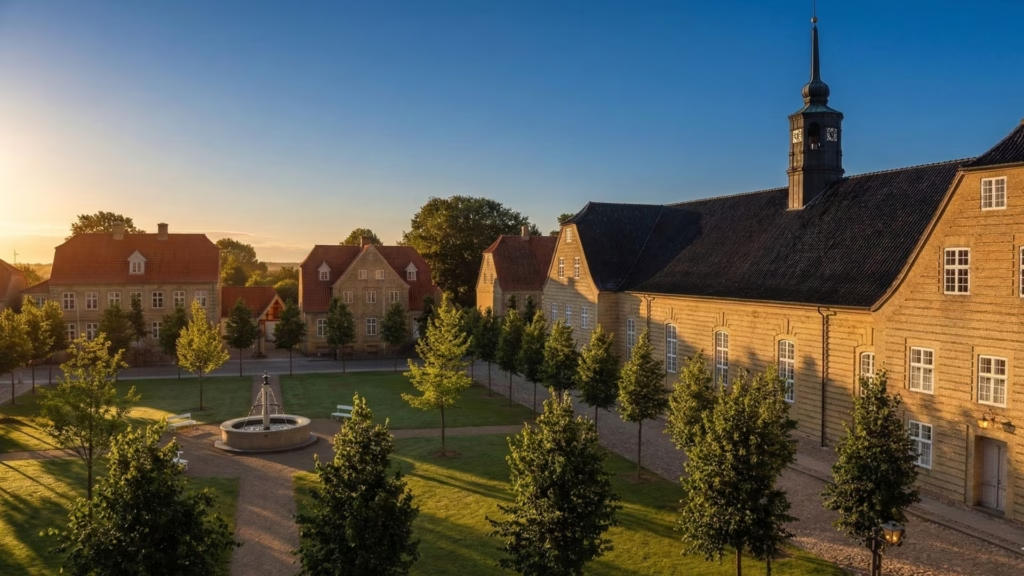
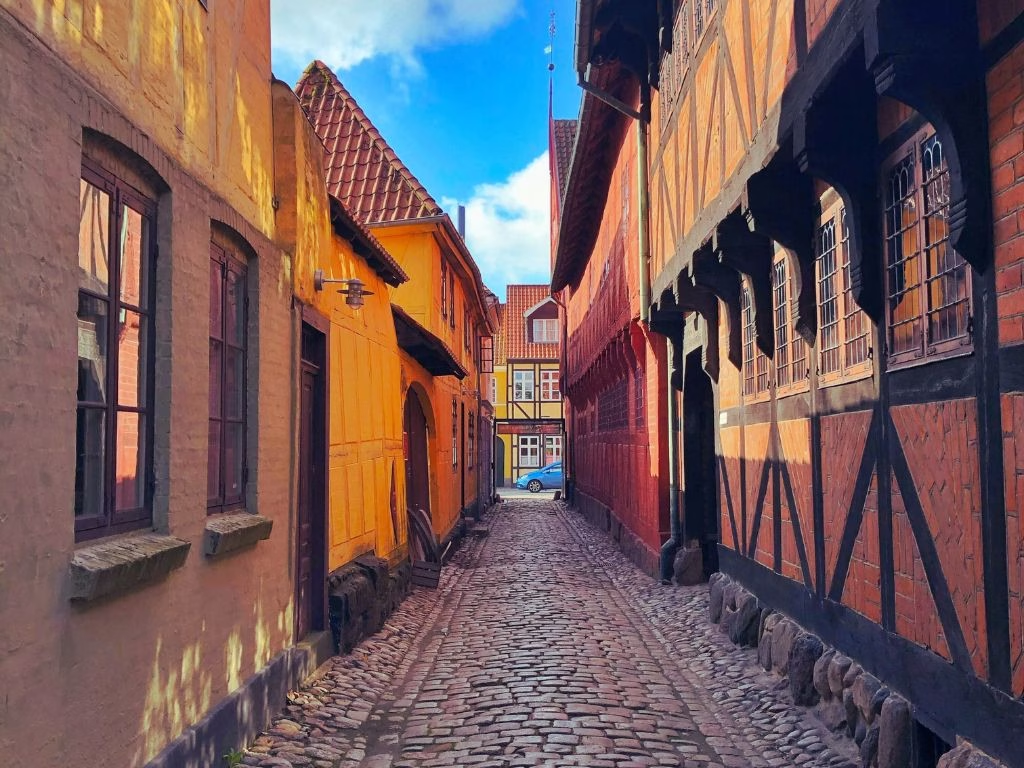
Christiansfeld sits in South Jutland and is one of the best-preserved historic towns in Denmark. It was carefully planned as a Moravian Church settlement and still reflects the values and everyday way of life of the Moravian community that founded it back in 1773.
The town is now part of the UNESCO World Heritage List, and once you’re there, it’s easy to see why. When you walk through Christiansfeld Here you can find all the houses built in the same yellow bricks with red roofs. It’s considered one of the best experiences.
It feels like you’ve gone back to the early 1800s. The history is everywhere, but the town still feels real and lived in, not stuck in the past.
Things to do in Christiansfeld
- Walk around the old town
- See the Moravian Church
- Stop for coffee and local treats
How to reach Christiansfeld
By car
Christiansfeld sits just off the E45 in southern Jutland. Driving is the easiest option, especially if you’re already moving around the countryside. It’s roughly 3 hours from Copenhagen and about 45 minutes from Kolding.
By train + short bus or taxi
Take a train to Kolding. It’s easy to get there from Copenhagen and other major cities. From Kolding, it’s just a short bus ride or quick taxi to Christiansfeld, and it works well if you’re not renting a car.
Find places to stay in Christiansfeld here
2. Thy National Park: Denmark’s wild coastal landscape
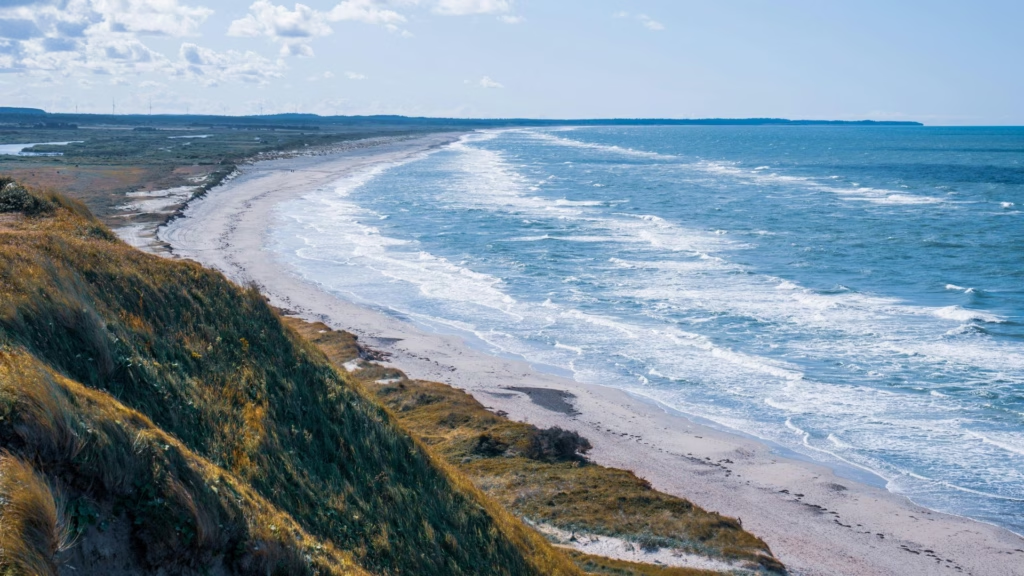
Thy National Park sits on the west coast of Jutland and is known for its raw, untouched feel. Think wild nature, lonely lighthouses, small fishing villages, and long stretches of sandy beach that don’t feel crowded.
Nature here feels old and unchanged. Wide dune landscapes, quiet forest lakes, long walking trails through plantations, and the sound of the sea always somewhere in the background. The park has a lot of rare plants and animals, and if you’re lucky, you might see red deer, cranes, or even birds of prey.
If you’re planning a Denmark countryside holiday, Thy National Park is easily one of the best places to experience that slower, wilder side of the country.
Things to do in Thy National Park
- Go hiking through the dunes
- Spend time on the beaches
- Visit the lighthouses
- Explore for wildlife
How to reach Thy National Park
By car
Driving is the easiest way to get to Thy National Park since it’s spread out and pretty remote in northwest Jutland. From Copenhagen, it takes around 4.5 to 5 hours via the E45 and Route 26. From Aalborg, it’s closer to 1.5 to 2 hours.
By train + local transport
Take a train to Thisted, the main gateway to the park. From Copenhagen, the trip usually involves one or two changes and takes around 5 to 5.5 hours. Once you reach Thisted, local buses or taxis can get you to different parts of Thy National Park, but options are limited, so it helps to plan ahead.
Find places to stay near Thy National Park here
3. Dragør: a charming coastal village near Copenhagen

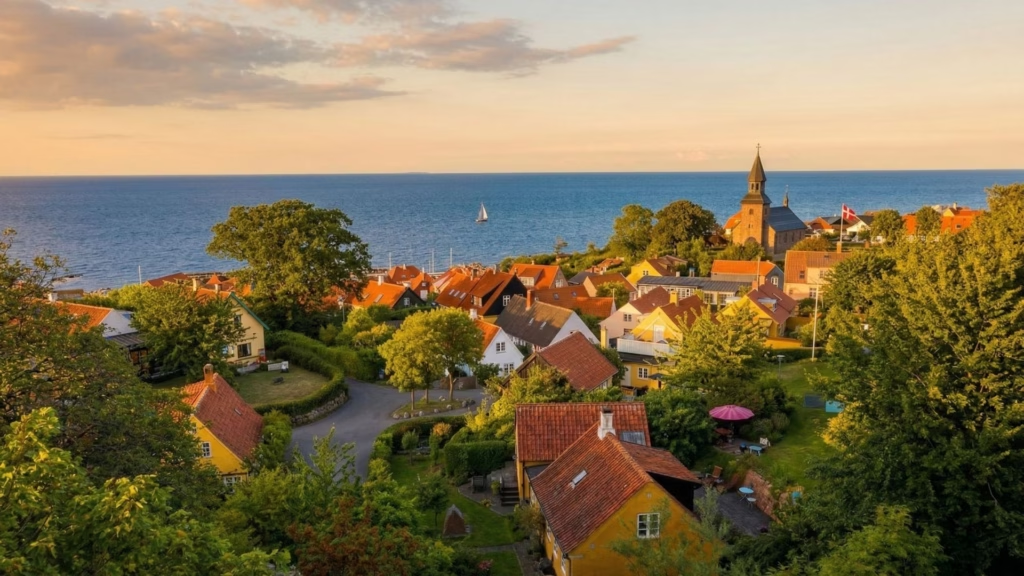
Dragør is a small historic fishing village just south of Copenhagen Airport. It’s been used as a fishing port for hundreds of years, and today it’s one of the best-kept historic villages in Denmark.
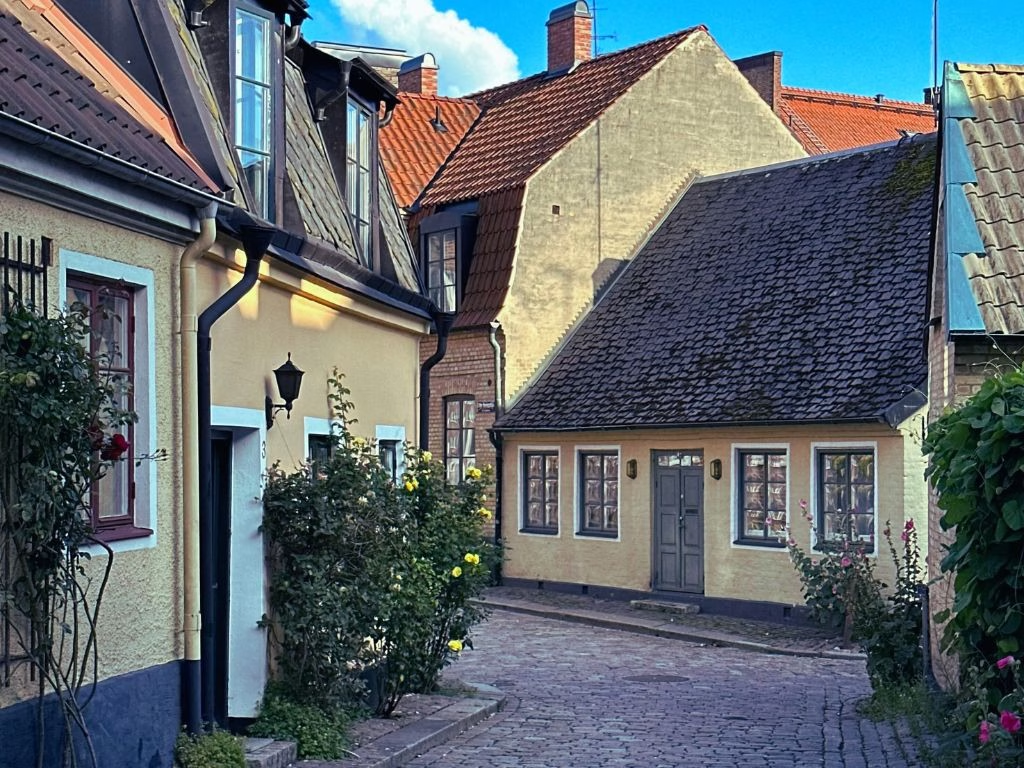
The main highlight is Dragør Old Town. You can wander through narrow streets lined with low houses painted in soft yellow shades, and everything feels quiet and unchanged. It’s a great example of the Danish countryside near Copenhagen, easy to reach but very different from the city.
Things to do in Dragør
- Stroll picture-perfect old cobbled streets
- Explore Dragør’s harbour & historic port
- Experience Dragør Søbad
- Relax at Grandmother’s Beach
Climb Dragør Fort.
How to reach Dragør
By public transport
From central Copenhagen, take the metro or train to Copenhagen Airport. From there, hop on bus 35 or 36 to Dragør. The whole trip usually takes around 30–40 minutes and is the easiest option if you don’t have a car.
By car
Dragør is about 12 km from Copenhagen city centre. Driving usually takes around 20–25 minutes, depending on traffic. There’s parking available near the old town, so it’s easy to explore once you arrive.
Find places to stay in Dragør here
4. Søhøjlandet: lakes, forests, and rolling hills
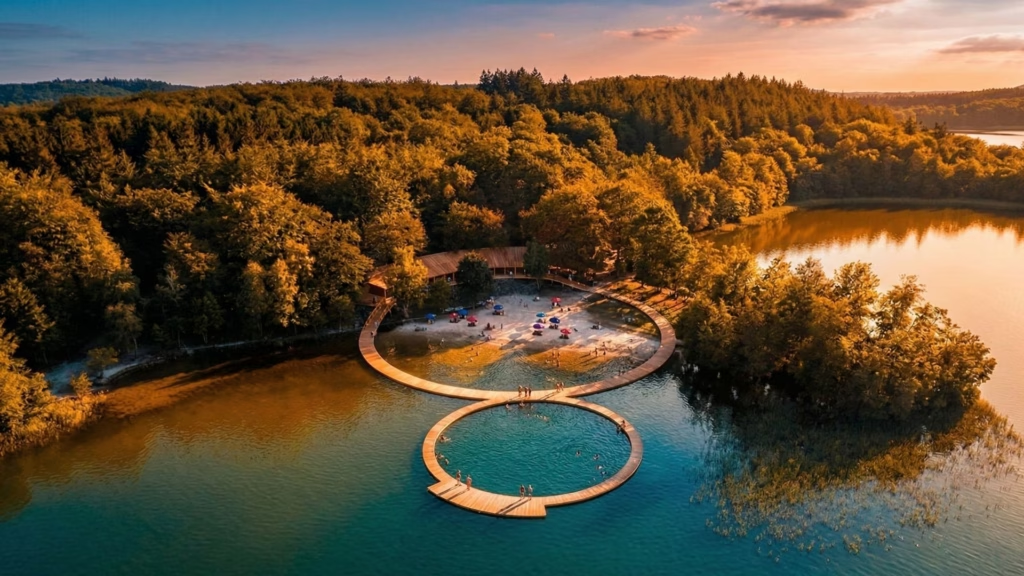
Søhøjlandet, often called the Lake District, is the highest area in Denmark. It’s known for its mix of forests and lakes, all packed into one area. And it’s considered one of the best Denmark countryside places to visit.
You’ll find wooded hills, quiet lakes, and small rivers running through the landscape. In summer, it’s a great spot for active days outdoors. Walking, hiking, mountain biking, or just spending time in nature all feel easy and unforced here. It’s simple, green, and very much about being outside.
Things to do in Søhøjlandet
- Explore the Silkeborg Lakes
- Canoeing or kayaking on the Gudenå River
- Visit Himmelbjerget
- Hiking in forests and nature reserves
- Boat tours from Silkeborg
How to reach Søhøjlandet
By car
Driving is the easiest way to get around Søhøjlandet since everything is spread out, with lakes, forests, and small towns. From Copenhagen, it’s about 3 to 3.5 hours. From Aarhus, it’s roughly an hour.
By train
Take a train to Silkeborg, which is the main base for Søhøjlandet. Trains run from Copenhagen (around 3 hours with one change) and from Aarhus (about 45 to 60 minutes). From Silkeborg, you can use local buses, rent a bike, or walk straight onto nearby trails to explore the lake district.
Find places to stay in Søhøjlandet here
💡 Pro-Tip: The best way to experience the scale of the Danish Lake District is from the water. A historic
steamboat ride on the Hjejlen across the Silkeborg Lakes reveals rolling hills and forests you can’t fully see from land, making it one of the region’s classic summer experiences.
5. Lejre: countryside landscapes and Viking heritage
Lejre sits right in the middle of the Zealand region and gives you a real sense of Denmark’s natural and cultural side. The area is known for open countryside, quiet forests, and green landscapes that haven’t changed much.
It’s a nice place for simple outdoor time, walking, cycling, or just being outside without much noise around. Lejre is about 45 km from Copenhagen, which makes it one of the best countryside spots near Copenhagen city if you want a short, easy escape.
Things to do in Lejre
- Visit Sagnlandet Lejre
- Walk the trails of National Park Skjoldungernes Land
- Explore Ledreborg Palace gardens
- Cycle through rural villages and farmland
- Enjoy lakeside nature and birdlife
How to reach Lejre
By train
Lejre has its own railway station on the Copenhagen–Roskilde line. From Copenhagen Central Station, trains take about 40–45 minutes. From the station, walking and cycling routes lead directly into the countryside and the National Park Skjoldungernes Land.
By car
Lejre is around 45 km west of Copenhagen. Driving takes about 45–60 minutes, depending on traffic. A car is useful if you want to explore different parts of the national park, lakes, and nearby villages.
Find places to stay in Lejre here
6. Bornholm – Denmark’s Sunshine Island
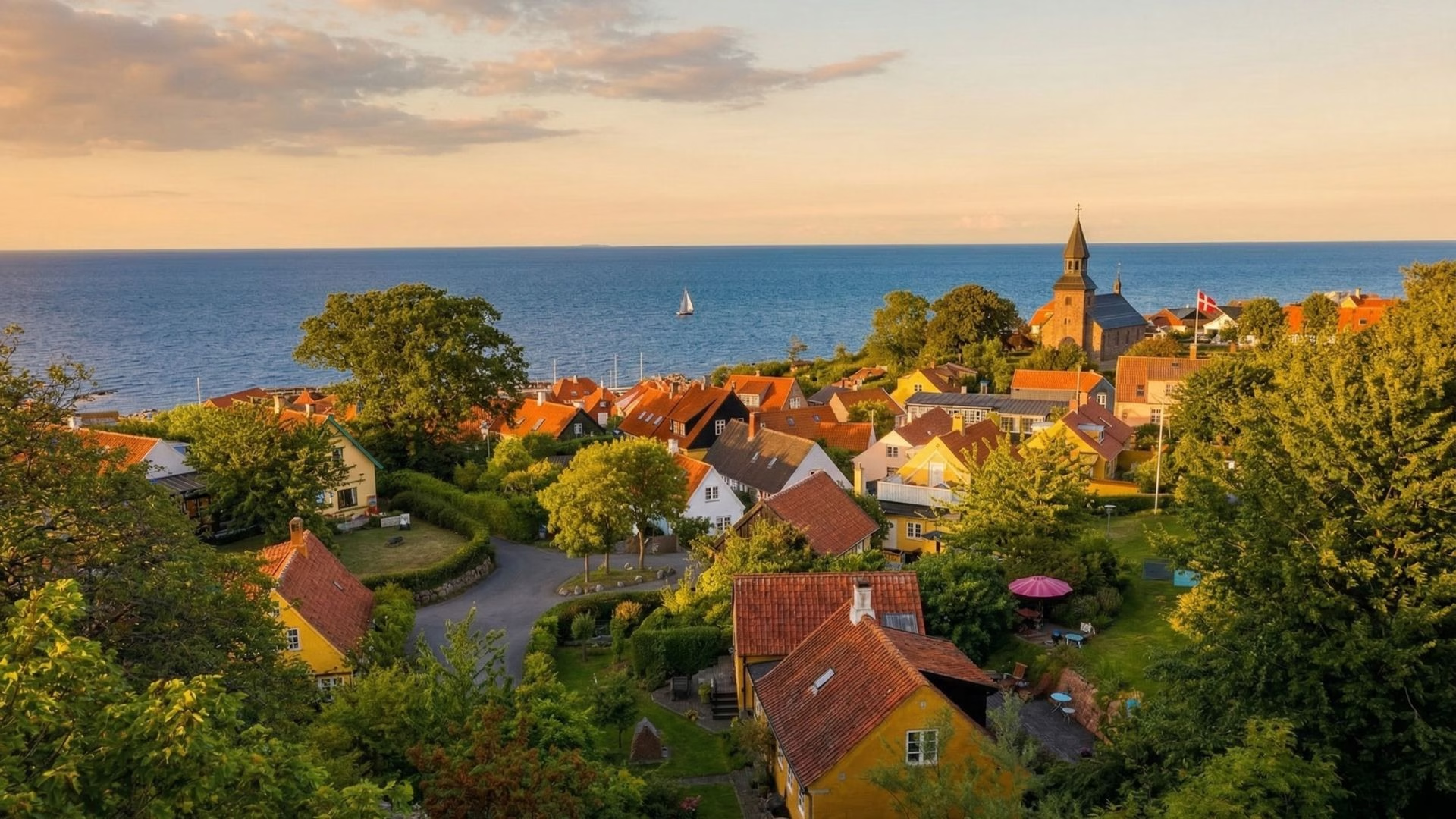
Bornholm sits just south of Sweden in the middle of the Baltic Sea and is one of the sunniest places in Denmark. Golden grain fields, colourful houses, soft white beaches, and narrow dune paths looking out over the sea give the island its relaxed feel.
It’s long been a favourite with families, but once you spend a little time there, you notice how varied it is. Small villages, beautiful landscapes, and a strong local culture make Bornholm one of the best Denmark countryside places to visit.
Things to do in Bornholm
- Visit Hammershus Castle Ruins
- Relax at Dueodde Beach
- Explore Bornholm’s cycling routes
- Visit the round churches
- Discover colourful fishing villages, Gudhjem and Svaneke
How to reach Bornholm
By flight
The quickest way to reach Bornholm is by flying from Copenhagen to Bornholm Airport. The flight usually takes around 35 to 40 minutes, and there are several departures each day. From the airport, buses and taxis run to different towns across the island.
By ferry
Ferries run from Ystad to Rønne. From Copenhagen, take a train to Ystad, which takes about an hour, then catch the ferry to Bornholm. The ferry ride is around 1 hour and 20 minutes, and this is the most common route for travellers.
Find places to stay in Bornholm here
7. Møns Klint: Denmark’s most famous cliffs
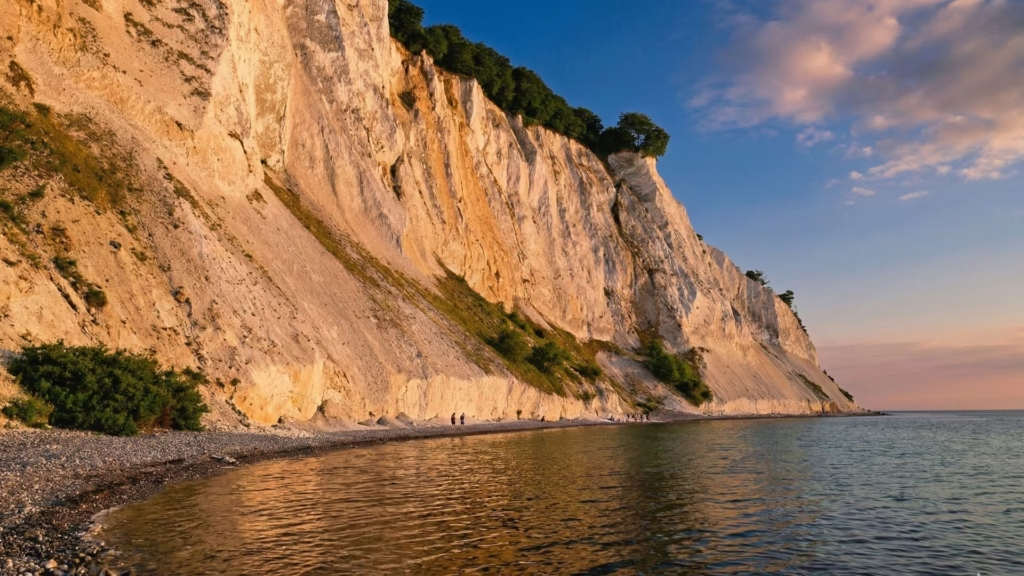
Møns Klint sits on the island of Møn, about a two-hour drive from Copenhagen. It’s one of those natural places that really stands out, shaped slowly over thousands of years by wind, water, and time.
More than anything, Møns Klint is a place for people who love big, dramatic nature. The white cliffs rise high above the sea, and even though there are safety rails along the paths, it still feels like you’re right on the edge of something huge.
Behind the cliffs, the forest feels just as impressive. Tall deciduous trees grow close together, creating long shaded paths that stay cool even on warm days. making Mons Klint one of the best places for Denmark countryside holidays.
Things to do in Møns Klint
- Hike along the cliffside trails
- Walk down to the beach below the cliffs
- Visiting GeoCenter Møns Klint
- Enjoy cycling and nature in the surrounding countryside
How to reach Møns Klint
By car
Driving is the easiest way to reach Møns Klint. From Copenhagen, it usually takes around 2 to 2.5 hours via the E47 and Route 287. Using a car is really helpful, because the cliffs are located inside a forested nature area and public transport is limited.
By train + bus
Take a train from Copenhagen to Vordingborg or Nykøbing Falster. From there, regional buses run toward the island of Møn and the GeoCenter Møns Klint near the cliffs. The whole trip usually takes around 3 hours.
Find places to stay in Møns Klint here
💡 Pro-Tip: Reaching Møns Klint from Copenhagen by public transport can take over 3 hours each way with multiple transfers. A
round-trip tour to Møns Klint and the Forest Tower saves time with direct transport and lets you see both the famous white cliffs and the Skovtårnet in one day.
8. Ærøskøbing: The quaint island town
Ærøskøbing sits on the island of Ærø and is known for its well-preserved historic feel. It’s the kind of small Danish town that looks almost unchanged, with cobblestone streets, colourful houses, and traditional architecture. makes one of the best Denmark countryside places to visit.
Things to do in Ærøskøbing
- Wander through the historic old town
- Visit the harbour and marina
- Explore the local museums
- Cycle around the island
- Relax at nearby beaches
How to reach Ærøskøbing
By ferry via Svendborg
From Copenhagen, take a train to Svendborg. The trip usually takes around 2.5 to 3 hours. From Svendborg, ferries run to Ærøskøbing on the island of Ærø. The ferry ride takes about an hour.
By ferry from Fynshav
Another way is to take a ferry from Fynshav to Søby. From Søby, it’s about a 30-minute drive or bus ride to reach Ærøskøbing.
Find places to stay in Ærøskøbing here
9. Endelave: The rabbit island of Denmark
Endelave sits off the eastern coast of the Jutland Peninsula and is often seen as one of Denmark’s quieter island escapes. It’s a small, peaceful place with open landscapes, coastal views, and a slower rhythm than the mainland.
The island is part of the Kattegat and is known for its nature and wildlife. One thing many visitors notice right away is the number of wild rabbits. There are so many that Endelave is often called “Rabbit Island.” It’s considered one of the best Denmark countryside places to walk, explore nature, and enjoy the calm surroundings.
Things to do in Endelave
- Walk the Endelave Kanino trail
- Spot the island’s famous wild rabbits
- Relax at the quiet beaches
- Cycle around the island
How to reach Endelave
By ferry
The only way to reach Endelave is by ferry from Snaptun on the east coast of the Jutland Peninsula. The ferry ride takes about an hour and arrives at Endelave Harbour.
Find places to stay near Endelave here
10. Tunø: The car-free island of Denmark
Tunø is a small, car-free island with a charming village and farms. One of the best things to do here is walk the trail that circles the island. It follows the coastline most of the way, and along the path, people sometimes spot small fossils in the rocks.
There are also plenty of simple picnic spots where you can stop, sit for a while, and take in the open sea views. It’s an easy place to slow down and enjoy Denmark countryside.
Things to do in Tunø
- Walk around the island
- Explore the harbour village
- Relax at the quiet beaches
- Visit the church with a lighthouse tower
How to reach Tunø
By ferry
The only way to reach Tunø is by ferry from Hou. The ferry ride takes about an hour to arrive at Tunø Harbour.
Find places to stay near Tunø here
What to Book Before Exploring the Danish countryside
Flights — Trip.com helps you compare and book flights into Copenhagen or Aarhus, the main gateways for exploring Denmark’s countryside and islands.
Car rental — DiscoverCars makes it easy to rent a vehicle so you can comfortably reach remote places like Thy National Park, Møns Klint, and the small Danish islands where public transport is limited.
Trains and buses — Omio helps you compare routes and book train or bus tickets between Copenhagen, Kolding, Silkeborg, Aalborg, and other regional hubs that connect to countryside towns.
Hotels — Booking.com helps you find countryside inns, island guesthouses, and boutique stays across Denmark with reliable reviews and flexible booking options.
Connectivity — Saily eSIM keeps maps, ferry schedules, and navigation working smoothly while travelling through rural areas and islands.
Travel insurance — SafetyWing provides coverage for multi-stop trips, ferry journeys, and unexpected delays while travelling around Denmark.
After exploring the Danish countryside, if you’re looking for more countryside escapes in other parts of Europe, you can check out these posts.
To know more about Denmark, visit